
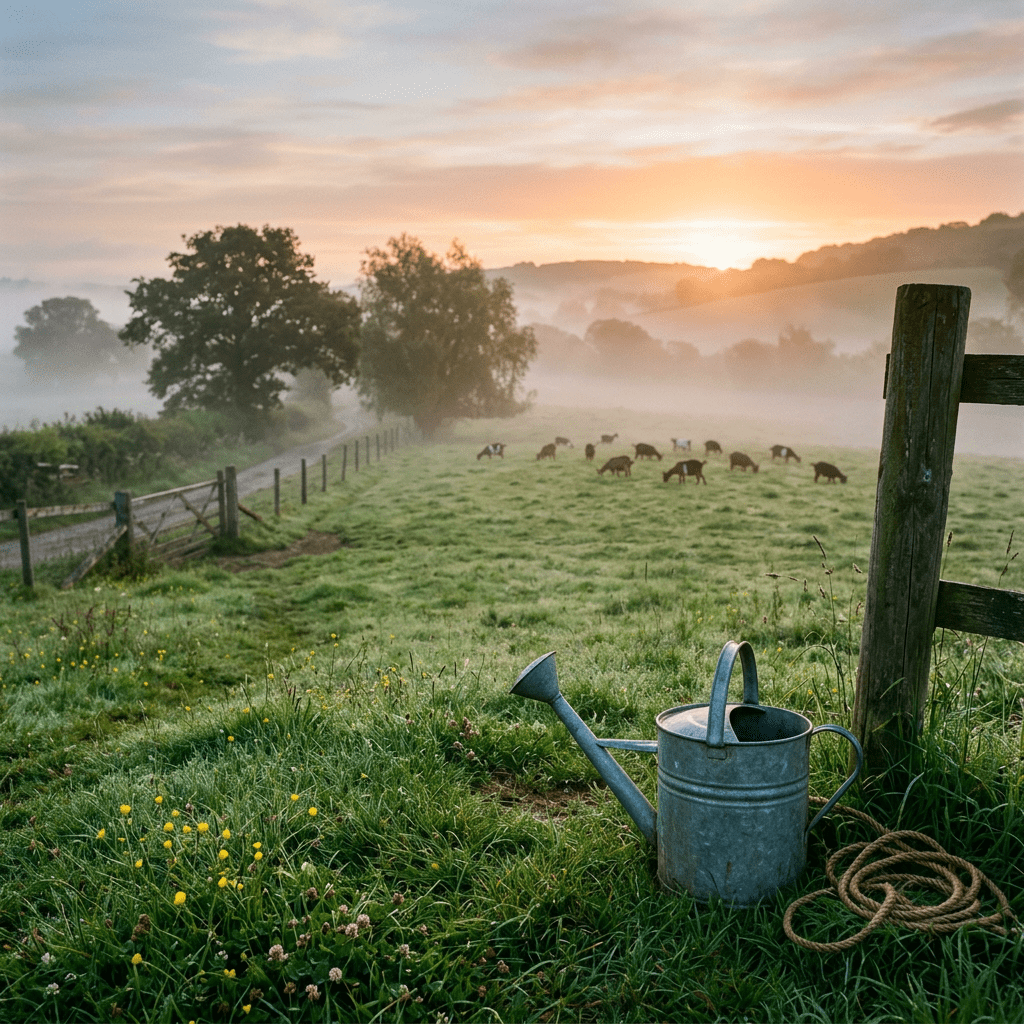
It has been three years since we moved into this homestead, and if there is one thing we have consistently been on top of since day one… it’s getting absolutely everything wrong!
When we purchased this farm, we knew we wanted to grow our own food and raise animals. Now, the animals were a given for me, but you might be surprised to know that the dairy goats were actually my husband’s idea.
During the pandemic, the formula shortage hit right around the time my postpartum depression was taking a heavy toll. My milk supply tanked, and the pressure was on to feed my baby. Between the supply chain shortages and the postpartum struggles, we knew we didn’t want nutrition to be a point of panic for any future children—or for any moms in our circle. Enter: our dairy goats.
But as for the actual farming part of the homestead? That has been a wild, messy ride of trial and error.
The Chronology of a Reluctant Gardener
🌿 Spring 2024: The “Free Willy” Approach
We decided it was time to grow our own food. My husband, bless his heart, made my dream come to life by single-handedly building a massive 100×100-foot garden fence out of deer fencing to keep the woods at bay. He tilled the soil, and by the time it was my turn to plan what to plant… I was entirely overwhelmed and exhausted.
So, I did what any desperate beginner does: I just threw seeds everywhere and thought, “This will work! How can it not?”
Spoiler alert: It was an epic fail.
Within a couple of weeks, we had growth—specifically, a lush, thriving kingdom of every weed God ever created, with a few tiny sprinkles of mystery vegetables I couldn’t even identify. I felt defeated, tired, and completely worthless. I realized I actually needed a plan.
🍅 Spring 2025: The Vengeful Return of the Weeds
Armed with a new strategy, we divided the 100×100 space into four plots, deciding to start with just a third of it. We added manure, nourished the soil, and planted tomatoes, carrots, and herbs.
At first, it was wonderful. The seeds sprouted, and progress was visible! But then, the weeds returned with a vengeance. We went out every couple of days to pull them, but it wasn’t enough. Within the blink of an eye, the weeds took over. My heirloom tomatoes were swallowed by a thick, luxurious grass that I couldn’t grow in my actual yard if I tried. The tomatoes survived thanks to their cages, and we got a ton of basil, but everything else was gone.
My immediate thought? “You bought a farm and you can’t even grow a vegetable.” Defeat took over quickly.
Spring 2026: Letting Go and Letting God
Determined to break the cycle this year, I started researching way back in the fall of 2025. I read blogs, bought books, watched videos, and started writing everything down. But more importantly, I did something different with the garden this time: I gave it to God. I let the Holy Spirit fill my heart and guide my steps.
I ordered high-quality heirloom seeds from Baker Creek, intending to start them indoors in March. But life happened, and I didn’t start them until April.
Immediately, the guilt crept in. I felt so far behind. But then I had to ask myself: Who is criticizing me? The seed patrol? The gardening police? I realized I had been putting an immense amount of pressure on myself to be an “all-knowing farmer” just for the approval of others. It seems so silly now. At the end of the day, there is only one judgment we face when our time on this earth is done, and that is God’s. He isn’t going to condemn me for not starting my tomatoes on a specific calendar date. He’s going to ask: What did you do for my people? How did you love Me?
With the pressure gone, I kept the Holy Spirit close. I didn’t sow my seeds until late May, and I didn’t transplant until June. I lost some seedlings by waiting, but you know what? It was okay. I started over. Let go and let God.
Our Best (and Most Fire-Hazardous) Decision Yet
This year, we took a big risk to finally get the weeds under control: landscaping fabric. My husband spent weeks on his hands and knees—in between sicknesses, weekends, and our kids’ softball games—rolling out hundreds of feet of black garden fabric and pinning it down.
To plant our seedlings through the fabric, I watched a YouTube video that recommended using a blowtorch and a copper pipe to burn precise holes. While it looked like a fire hazard that Smokey the Bear would highly disapprove of, we gave it a shot. It was the best decision we ever made.
The Process: Heat Copper Pipe ➡️ Burn Perfect Hole ➡️ Dig Dirt ➡️ Plant & Pray
This past weekend, with the kids in the garden with me from 10 AM to 4 PM, we finally got 95% of the garden completed. Was it picture-perfect? Absolutely not.
- The kids threw mulch everywhere.
- I got sunburned more times than I can count.
- I yelled at the kids for just being kids, complained about my aching back, and got incredibly grumpy.
- I refused help, only to beg for help five minutes later.
But last night, we walked away from a fully planted garden. I didn’t get my pollinator flowers along the entrance like I wanted, but by the grace of God, we completed more than we ever have before.
Remembering What Truly Matters
This morning, I got to water a beautiful reminder of what hard work, dedication, and faith can do.
We originally bought this farm to escape the hustle and bustle of city life, which was drowning us. We had become puppets for everyone but God. Now, living in a rural area surrounded by our Amish neighbors, we are constantly reminded of how simple and blessed life can be when you get your hands dirty and thank the Lord for things money can’t buy: memories, love, and family.
God loved us so much that He gave His only Son to die for us—so I can grow a tomato, watch my kids run through the hayfields like the beautiful feral children they are, and watch our mini donkeys and goats escape their pastures just to follow us around like giant puppies. As we celebrate 250 years of America this year, let us all be a little more thankful for Faith, Family, and Freedom.
🥛 From Our Pasture: The Benefits of Goat Milk
Because our dairy goats were the catalyst for this entire homesteading journey, I always love sharing just how incredible their milk is for the body. If you’ve ever considered switching from cow’s milk, here is why goat milk is a staple in our home:
- Easier on the Stomach: Goat milk contains smaller fat globules and a different protein structure than cow’s milk, allowing your digestive system to break it down much faster and more comfortably.
- Fewer Allergenic Proteins: Many people who experience bloating, gas, or dairy sensitivities find goat milk highly tolerable because it generally lacks the trickier A1 casein protein found in most commercial cow’s milk.
- Supports Gut Health: It is naturally rich in oligosaccharides that act as prebiotics. These compounds feed your healthy gut bacteria, boosting both your digestive wellness and overall immunity.
- Promotes Bone Strength: Just one cup delivers roughly 25% of your daily calcium needs, alongside essential phosphorus and vitamin D to maintain bone density.
- Heart Friendly: It contains high amounts of heart-healthy medium-chain fatty acids, potassium, and beneficial omega fatty acids that support healthy blood pressure and cholesterol levels.
- Improved Nutrient Absorption: Studies show that the unique composition of goat milk actually enhances your body’s ability to absorb vital micronutrients, including iron, zinc, and selenium.
 THL
THL 
Leave a comment